Two Tulsa Landmarks, and Two New Questions About What Comes Next |
One building once made dairy products along Route 66. Another served generations of worshippers downtown. Both have now received national historic recognition. |
 |
There is more than one way for an old Tulsa building to tell a new story. One place once belonged to the city's everyday dairy trade. Another gathered a congregation in the heart of downtown. This month, both found their names on a national list that asks Americans to pay attention to places with a past worth preserving.
On October 5, the former Hawk Dairies property at 2415 East 11th Street was officially listed in the National Register of Historic Places. A day later, First Christian Church at 913 South Boulder Avenue received the same designation. The dates and addresses appear in the National Park Service's October 9 weekly list.
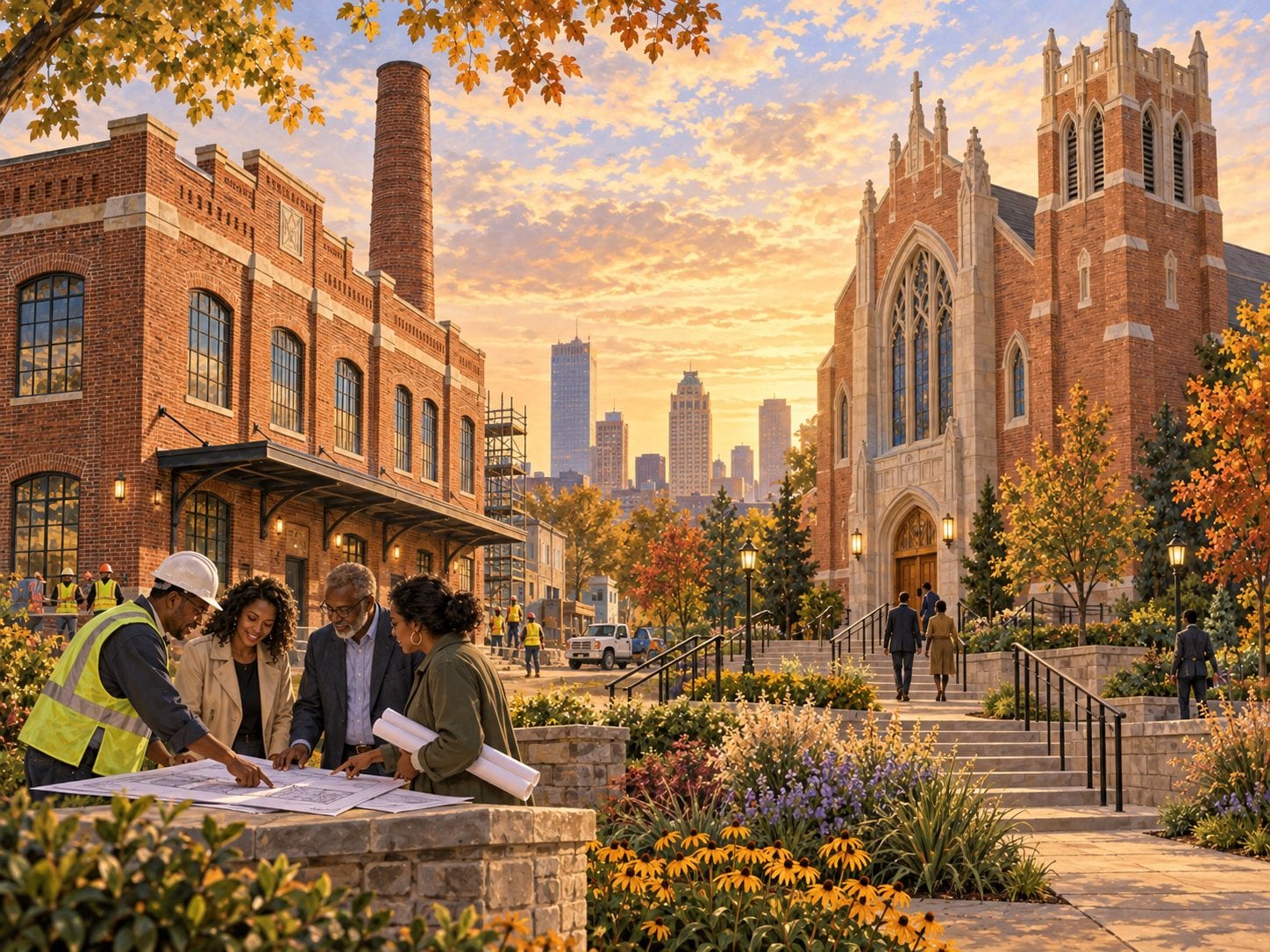
Hawk Dairies belongs to an especially Tulsa kind of landscape. Its old building stands on the city's historic Route 66 corridor, almost opposite Mother Road Market. According to Route 66 News, architect Gerard W. Wolf designed the site, which opened in 1948. Long after its original dairy operations ended, the building continued to occupy a recognizable spot beside a road whose own story keeps drawing fresh attention.
Downtown, First Christian Church connects a different chapter of the city's life to another address. The Tulsa Preservation Commission was considering its national listing earlier this year. The church property's long history matters separately from whatever uses may eventually occupy its walls.
The new designations establish formal recognition, but they are not themselves announcements that the buildings have been restored. On October 14, the Oklahoma Historical Society and State Historic Preservation Office announced that Hawk Dairies is slated for apartment-style reuse and that the former church is proposed for a mix of apartments, a restaurant and a live music venue.
Those are significant possibilities, not finished spaces. Hawk Dairies has already been the subject of other redevelopment ideas. Route 66 News documented an earlier boutique-hotel-and-retail plan that did not move forward as announced. The newest state announcement points in a different direction, underscoring how uncertain the path from a historic building to an operating new use can be.
National Register recognition can help put a property's architectural importance on record and may support preservation incentives when projects qualify. It does not guarantee a completed renovation, make every proposed business tenant a certainty or resolve the financial and design choices required along the way. The state preservation office describes the designation as recognition accompanied by limited protections and, in some cases, incentives.
What makes these two listings interesting is not that the past has suddenly returned. The buildings have been here all along. It is that the city is being asked to see them with fresh attention at a moment when their next uses are being discussed.
On East 11th Street and South Boulder Avenue, the answers will eventually be measured in more than drawings or announcements: in how much of the buildings' character survives, what actually opens and whether the new places become part of Tulsa's daily life. For now, the National Register has confirmed something worth remembering. The next chapter is still being written. |
0 Comments
Join the conversation
Be the first to comment
Share your thoughts above.