
Tulsa Becomes a New Home for the Work of Indigenous Food Sovereignty |
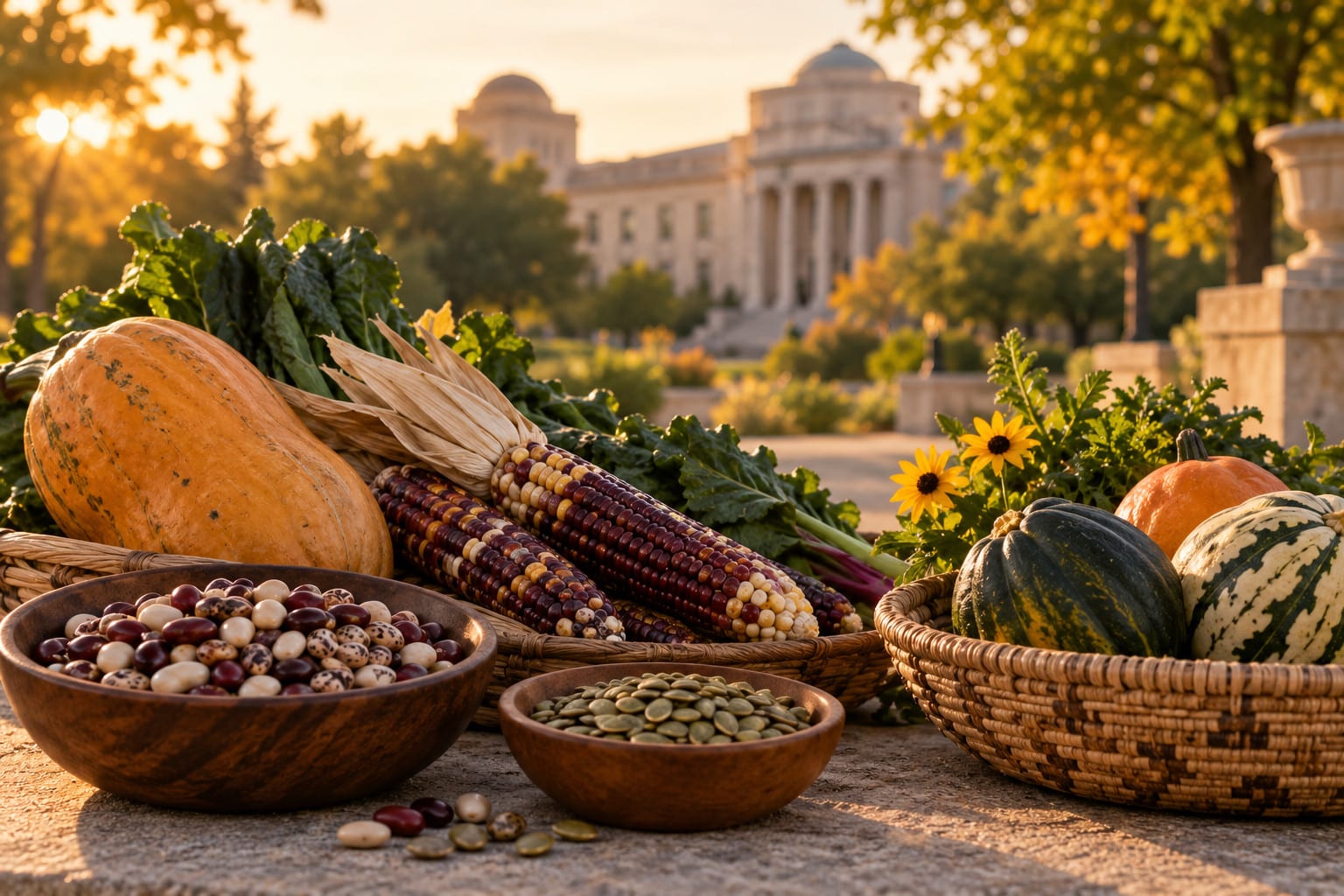
A food system depends on what happens in fields, gardens, kitchens and markets. It also depends on decisions that rarely appear on a dinner table: how traditional seeds are protected, what rules guide food safety, and who gets to set the policies governing agriculture.
Those decisions are part of the work of the Indigenous Food and Agriculture Initiative (IFAI), which has joined The University of Tulsa College of Law. In an October 1 announcement, the university introduced a new institutional home for a team that has spent more than a decade working alongside Tribal governments, producers and food businesses.
IFAI's work goes beyond any one agricultural program. It provides policy research, legal analysis, food safety training and technical assistance. The aim is to help Tribal communities strengthen their food systems, develop economic opportunities and sustain cultural food traditions. The tools behind those goals can be legal as well as agricultural.
One such tool is IFAI's Model Tribal Food and Agriculture Code. It offers possible provisions on protecting traditional foods and seeds, establishing community gardens, setting food-safety standards and organizing Tribal agriculture departments. Those are models for Tribal governments to review and adapt, not rules imposed on Nations that must choose their own path.
In 2025, IFAI released a Tribal Governance Guide to Food and Agriculture to help Tribal governments navigate choices as they invest in their food systems. The guide brings the legal and practical questions together so Nations can consider approaches that fit their own communities.
The initiative has also outlined a way to take that discussion beyond a written guide. In March 2026, it announced Tribal Food Policy Roundtables offered at no cost to host Tribes. The conversations are tailored to the host Nation's priorities, bringing Tribal leaders, staff and producers into discussions about the policies and obstacles affecting their food systems. IFAI says it also uses those conversations to hear what communities are experiencing firsthand.
The new university affiliation has a geographic significance, too. UTulsa says its main campus is within the Muscogee (Creek) Nation reservation, while its North Campus is within the Cherokee Nation reservation. That setting connects an organization focused on Tribal agriculture and sovereignty with a law school located in Indian Country.
“Being a part of the only law school on a Tribal reservation aligns well with IFAI’s mission,” Executive Director Carly Griffith Hotvedt said in the university's announcement. She described the move as an opportunity to bring the initiative's expertise to students and the broader community.
There is a connection to the initiative's earlier history. UTulsa President Stacy Leeds helped found IFAI while leading the University of Arkansas School of Law. She now welcomes the organization to Tulsa. The university expects the affiliation to create opportunities for students to engage with Tribal law, food systems and economic development; the October 1 announcement does not specify new student projects or report outcomes resulting from the move.
IFAI says its work with Tribal stakeholders nationwide will continue, along with its relationship with Arkansas's Food and Agriculture Law LL.M. program. The change gives that continuing work a new university home. What remains central is who directs the future of Tribal food systems: the Nations making those decisions themselves. |
0 Comments
Join the conversation
Be the first to comment
Share your thoughts above.