By the time the 1256 Movement began work on Nathaniel Nash’s North Tulsa home, the roof had already been repaired more than once. It was still leaking.
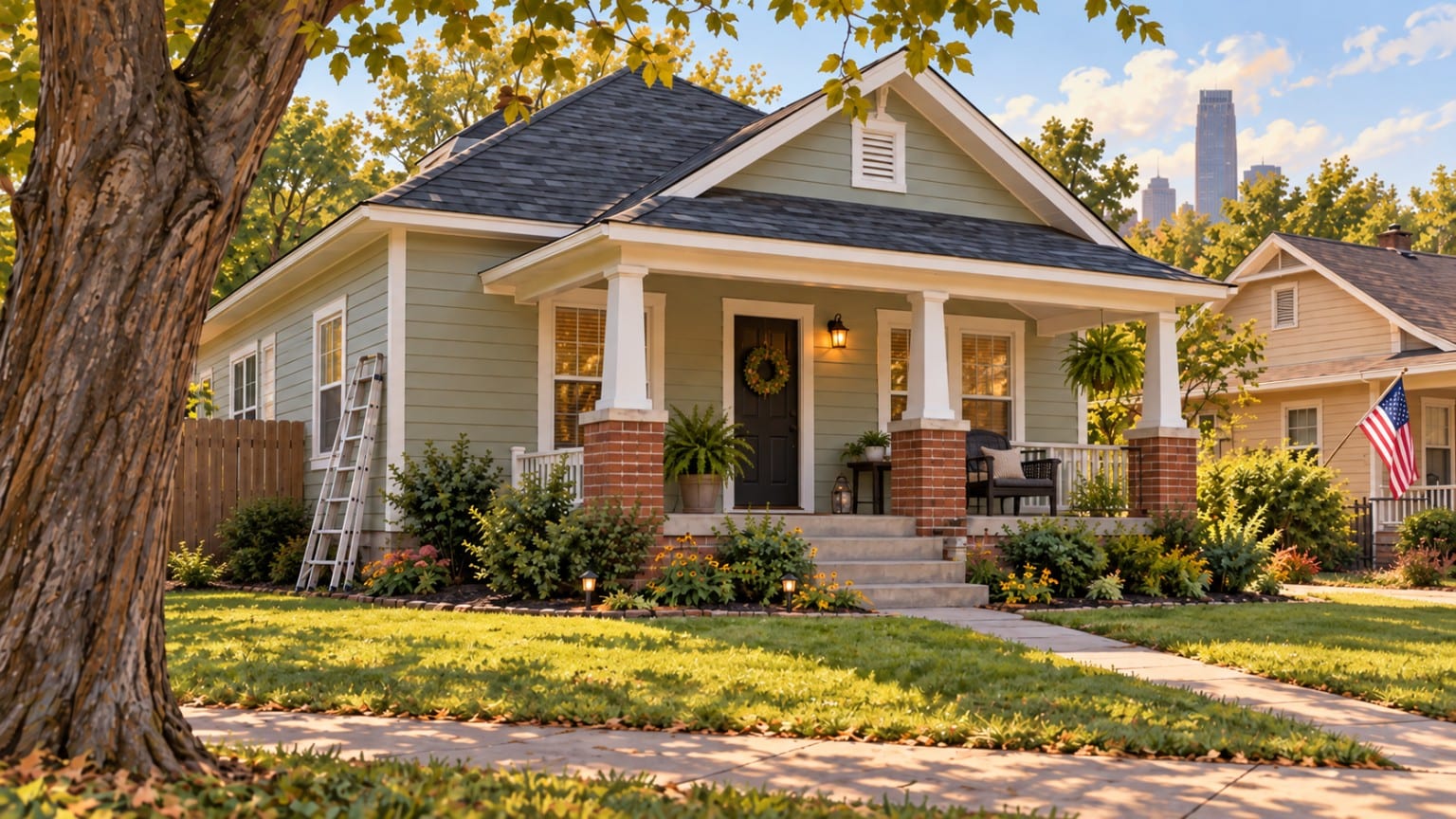
This time, the work went further. The organization replaced the roof and siding, addressing problems that had continued despite those earlier attempts.
Nash told KTUL the difference would reach well beyond the house itself.
“I can do more for my family now.”
It is a simple comment, but it gets closer to the value of the project than a list of materials ever could. A house that repeatedly requires emergency attention can consume money, time and energy. Getting the repair right gives some of that attention back.
Nash’s connection to the home also sits within a larger North Tulsa story. KTUL identified him as a descendant of the Tulsa Race Massacre, and Nash spoke about the importance his parents placed on homeownership.
The organization that repaired his house was created with that history in view.
The 1256 Movement takes its name from the 1,256 Black-owned homes burned during the 1921 Tulsa Race Massacre. Its stated mission is to rebuild or restore 1,256 homes for Black families in Tulsa.
That is an ambitious number, but Nash’s project shows what the work looks like before it becomes a statistic.
It looks like dealing with a roof that still leaks after previous repairs. It means replacing siding on a house someone already calls home. And when the work is finished, the result is not a new development or a newly built neighborhood. It is an existing family home that is in better condition to keep serving the people who live there.
That kind of preservation is easy to overlook because it does not always produce a dramatic before-and-after story.
Sometimes the visible change is simply that a familiar house on a North Tulsa street has been repaired instead of allowed to keep deteriorating.
For Nash, that was enough to change what received his attention next.
His answer was his family.

0 Comments
Join the conversation
Be the first to comment
Share your thoughts above.